Showing posts with label Representation. Show all posts

Explore the way that different groups of people are represented in ST and D83


  • Audience 
  • Media Language 
P : In ST, we see a counter-typical representation of women (especially considering the 1980s setting) in that we see empowered, aggressive women. 

E : We see the 'social worker' murder Benny, Eleven kills two men, and although Nancy isn't aggressive, she does control the scene with her and Steve. 

E : It is an interesting subversion of stereotypes - the 1980s setting leads us to expect submissive, powerless women, but the 21st century construction transfers modern ideologies and empowers the women. 

CEMS : When we first meet the social worker, we view her from a high angle shot, the point of view of Benny. This reinforces the patriarchal hegemony which tricks us into thinking that she is a typical submissive woman. However, when she shoots Benny, she is elevated onto an equal level with the other government officials, and is even empowered through a low angle shot. This is reinforced by the editing - the screen time she is given compared to the (silent and nameless) male officials is significantly greater, therefore empowering her. 

A : This shocks the audience, which is important for narrative, but the Duffer Brothers are also trying to highlight the everyday sexism in society - even though we are a modern audience, we fell into the trap of putting sexism assumptions onto the scene. 


Representation Essay


How are different social groups represented in the sequence you have analysed?
What role does the use of media language, signs and signifiers have in constructing and presenting these representations as real?

In the first episode of Stranger Things there are a wide variety of social groups presented including the youth and the police and government. Some of these representations are constructed using stereotypical behaviour and features whereas some can contrast these stereotypes quite a bit.

A big social group represented in my sequence is the government. In the first scene analysed, it shows Dr Brenner stepping out of the car and walking towards some other people supposedly from the government too. As he walks people can see that he is constructed in a very stereotypical manner as he is wearing a suit, carrying a briefcase and is made to look much more important than the others. The camera pans up as he walks towards the other government officials symbolising that he is much more superior to them and possibly more frightening. When the government enter the building later on in the sequence, their image constructed by stereotypes completely changes. They get dressed into hazmat suits and get given weaponry, signalling that they could be fighting something dangerous which could also be a government secret.

Another huge social group represented is the youth. The younger teenagers known as Mike, Lucas and Dustin. They are represented as nerdy and maybe a bit different compared to the other children at their middle school. When they are in the AV club it shows how much they are different as they are the only ones in the club. They are very close friends which signifies that they may not have any other friends which means they would need to stick together. The camera angles that are used are usually mid shots or close ups and are eye level which shows all 3 boys as equal and unified.

Summer Work - Examples in the media

Disability:

  • In the London 2012 Paralympic games, there seemed to be drum up much more excitement and advertisement than in the past years. There was a television advert which, instead of calling them 'diasbled' or 'paralympians' they are called 'superhumans'. This is because people with disabilities are now being recognised as a part of society and are being shown as people who can do more than many abled people. 
  • In the Maltesers adverts on television, many use a disabled character or someone who requires additional support. For example, in one advert there are two women who are shown as deaf, and another where there is a lady in a wheelchair. This is accepting all walks of life and all abilities into media as it is something that can never be avoided and should always be accepted and no one should be left out of the media or any situation due to their disability. 
  • In many television shows, there are also disabled people included. In Hollyoaks for example, there is a character in a wheelchair called Courtney. Her storyline would really relate to disabled mothers as she struggles to care for her child due to her daily difficulties. There is also a character called Alfie who struggles with Schizophrenia. He hid it from everyone and tried to jump off of a Bridge. These stories can relate to so many people which is why it is good that they are included to show everyone to give more support, or even ask for some.
Regionalism:
  • In the UK, regionalism is shown through a variety of television shows. For example, shows like Geordie Shore, Made in Chelsea and TOWIE show people who do not live in those regions the stereotypical behaviour and look of people that live there. In Made in Chelsea, the stereotype is that they are all very posh and well dressed where as that is highly contrasted in the other two shows. 
Class:
  • In many television shows, class is represented in two different ways. On a channel 5 show called "Rich kids go skint" it represents the A, B, C1 demographics as spoilt due to their wealth. It shows them that when they live the lifes of not as lucky people they become more humble and aware.
  • In other shows such as "Life and death row", the criminals are all deemed as the C2, D and E demographics. This shows that the less fortunate are usually represented in a more negative way. Also, all of the victim's families are shown as much more higher class.
Age:
  • In TV shows now, there are all ages represented. For example, in the highly popular show on Netflix called "Stranger Things" 99% of the main characters are children. The show represents the children being strong and independent in trying to save their friend. 
  • There is another television show which represents the older generation which is called "Off their rockers". The ITV show is all about old people pulling pranks and having fun which shows that people of that age do not all stay inside and are not serious all of the time but can be just like the younger people too. 
Gender:
  • Recently, gender has become a huge talking point in many communities. There are some TV shows showing people the complete day to day lives and struggles of people transitioning from one gender to another. One show is called "Transformation Street" which shows people going through the lengthy procedures that it takes to transform into the opposite gender. It shows that in everyday life it is getting more and more common all of the time and even more accepted into society. It has also been shown through another BBC show "Life Through My Lens" which shows the day to day challenges and the impacts on them and their families. It also just represents gender in itself and how some people can be one gender, but can completely feel like another one. 
  • There are also many other gender based debates going around because of the way that women and men are treated differently. For example, it shows powerful men taking advantage of women and manipulating them. Such as the Harvey Weinstein case where he sexually assaulted many actresses telling them that they would get a job if they took part. This shows how many people feel as though men are so much more powerful and still seen as more superior in society than women.
Ethnicity:
  • Ethnicity has always been a popular subject in the media. On Netflix for example there is a show called "Dear White People" which shows the daily life of black college students and how they are constantly discriminated against and how it is still very common even though it isn't seen as much by everyone. Another show which is comedy on E4 called "Blackish" shows the life of a black family in America and how they have many different views and lifestyle choices compared to white people. 
  • The "Black Panther" film was released in 2018 which is based around a majority black / African cast. The film was based in Africa and showed all of its natural beauty and the tribes that are still present within the continent.
  • In the news there has been much about ethnicity as Trump is deporting people to their home countries. Immigration issues are very popular in the news but it is rarely a positive message and leans more towards immigrants and other ethnicities being negative.
Sexuality:
  • The LGBTQ+ community have shown themselves through many shows and have become much more common in society and more accepted due to the media playing a part. Shows like "Ru Paul's Drag Race" and "Queer Eye" represent the different sexualities that are around in the current day. The acronym for the community is now LGBTQQICAPF2K+ which stands for Lesbian, gay, bisexual, transgender, questioning, queer, intersex, curious, asexual, agender, ally, pansexual, polysexual, friends and family, kink and more. 

Representation on the front pages

1. The person being represented is a teenager (thug/chav) in the middle of the London riots.
2. The image of the person being represented is a very stereotypical view of that group. Teenagers are represented as rude and terrorising towards people more vulnerable than them. They are always shown as people who wear tracksuits, with their hoods up and trainers on. They are also presented as trouble makers and are 'known' to always be causing trouble which is what this image portrays.
3. They have used the low camera angle for this news article to show that at that brief moment, the subject was full of power and that he was using it all to its full extent. The choice of images really brings out the representation because the image of the male is very fitting to the stereotype and by the tiny bit of his face you can see, you can tell that he is confident and happy with whatever he has just done. Also, the burning car in the background, makes it seem as though the teenager is strolling away from it as if he is responsible.
4. The word 'ANARCHY' used, portrays the representation as violent and as a criminal who has just maybe gone crazy and started a riot. The size of the headline is very big helping to give the subject a bigger label as anarchist because it stands out also with help by the colour of it being in contrast with the background colour of the picture.
5. The representation does fit in with the codes and conventions because it is in The Sun which is a tabloid, often being highly stereotypical, often towards teens. However, its audience is the C2, D and E demographics which is who they are portraying as this certain representation which is quite strange and does not fit the codes and conventions.

Gender Stereotypes aimed at Women

The most common gender stereotypes are:
  • A women's job is to cook and clean for her husband and children.
  • Every woman lives to have children and get married.
  • Women are seen to be more dependant on men and are viewed as weaker than them.
  • Men are shown as strong, independent people who earn the most money in the family.
3 Examples of gender stereotypes in the media:


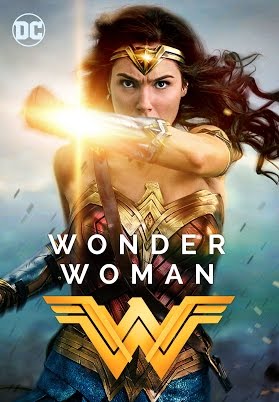
One of the counter-types in media is the movie Wonder Woman. In this film, the main character who is female, is a heroin who saves and protects all of the males in the cast which completely opposes all of the typical stereotypes attacking women on a daily basis. This is great because sexism in the media is huge and starting to battle that sexist theme throughout movies in one widely popular movie, really is a positive push towards equality.